By AP3K · English guide
Fix an Instagram Automated DM That Opens the Wrong Link
If the message arrives but opens the wrong resource, start with the exact button URL and campaign that sent it. The problem may be an inherited setting, an overlapping automation, or a redirect beyond AP3K.
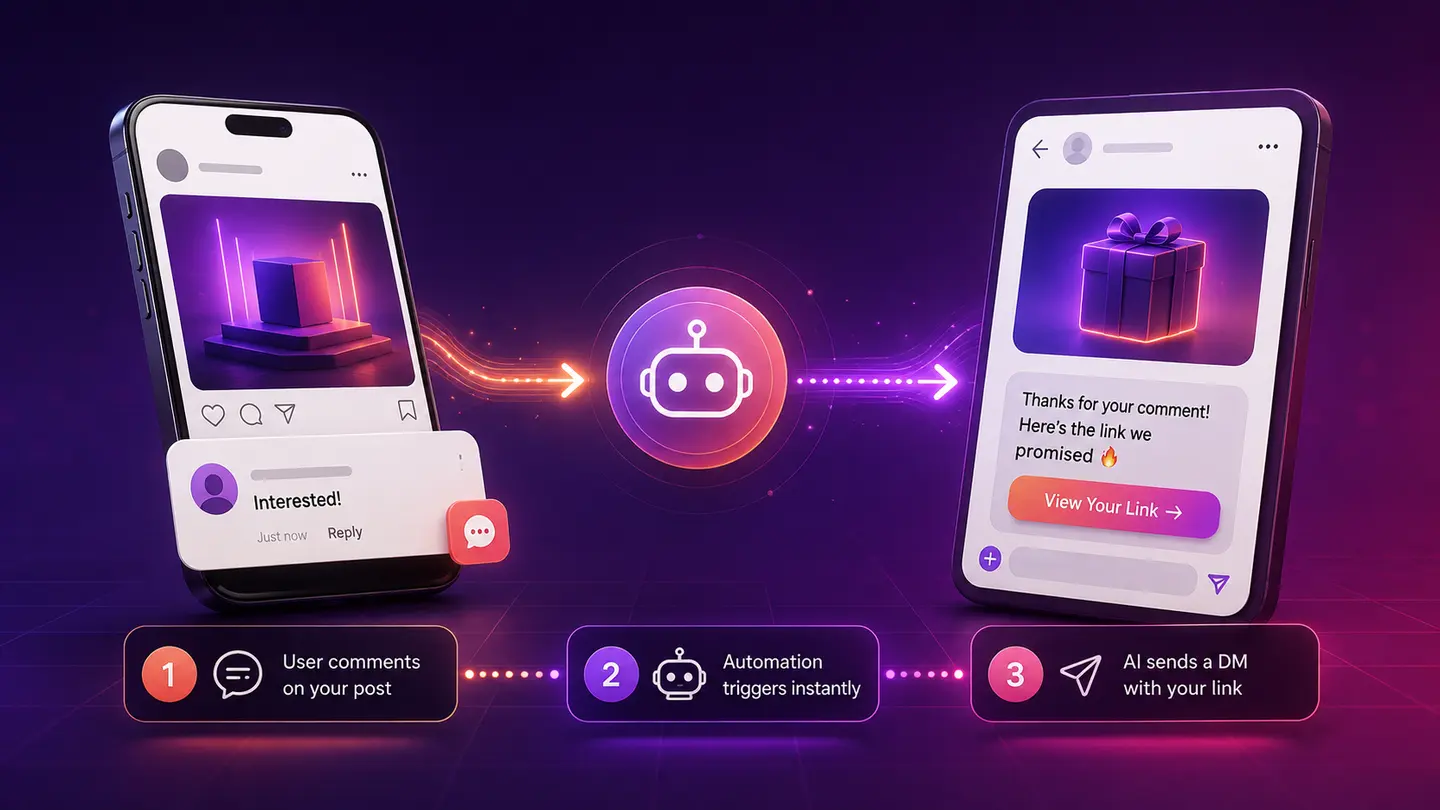
Identify which campaign produced the message
Compare the received copy and button label with the active campaigns for that account. A duplicated campaign may retain the previous offer's URL. A broad keyword rule may also respond when you expected a post-specific rule.
Check the account context before editing. The same keyword can legitimately exist under different Instagram accounts, and correcting the wrong client's configuration creates a second problem without fixing the first.
Inspect the complete saved destination
Check for missing characters, an incorrect path, an old product identifier, or a temporary preview domain. Confirm the URL uses the intended secure destination and that it does not require your owner login. The visible button label alone cannot tell you where it leads.
If a tracking or short-link service is involved, inspect the final page reached by the actual saved URL. A redirect may change by region or device, or may have been updated after the campaign was created.
Test the receiving account's mobile experience
Open the button inside Instagram's browser. Check what happens when the reader is signed out of the destination site. If the journey enters a store, confirm the correct product and variant. If it opens a document, confirm the public access settings.
Do not assume that a successful desktop visit reproduces the customer's experience. App handoffs, login redirects, and mobile navigation can change the result even when the URL string is correct.
- Saved URL matches the intended resource.
- Final redirect destination is correct.
- Access works without an internal login.
- Variant, language, and offer period are correct.
- Button wording matches the page that opens.
Correct one cause and test a fresh delivery
Update the identified URL or conflicting campaign, save the intended configuration, and trigger a new test. An old message in the inbox may still contain its original link; do not use that historical button as proof that the edited campaign failed.
Record the destination owner and review date. Most link problems return when the website changes without the campaign owner knowing. A short dependency record prevents a functioning automation from continuing to promote an obsolete page.
Topics