By AP3K · English guide
Evaluate Instagram AI Answers Before Enabling Them Widely
A single successful demo does not establish that an AI responder handles real customer questions. Build a small evaluation set that includes normal requests, ambiguous wording and questions the system should decline to answer. Judge the response against approved facts.
The decision to make
Use a rubric with accuracy, relevance, unsupported promises and next-step clarity. Tone matters after correctness. Save the expected answer or boundary for each test so later changes can be compared consistently.
A practical workflow
- 1Step 1Collect representative questions without unnecessary customer identifiers.
- 2Step 2Define the factual answer or expected fallback.
- 3Step 3Retest the same set after changing knowledge or behavior.
Worked example
Include “Can I use a personal account?”, “What happens if the link fails?” and a request for an invented discount. The last example should test boundaries, not persuasion.
What to avoid
Do not score an answer as correct because it sounds confident. Check the claim against the actual product and current plan information.
Where AP3K fits
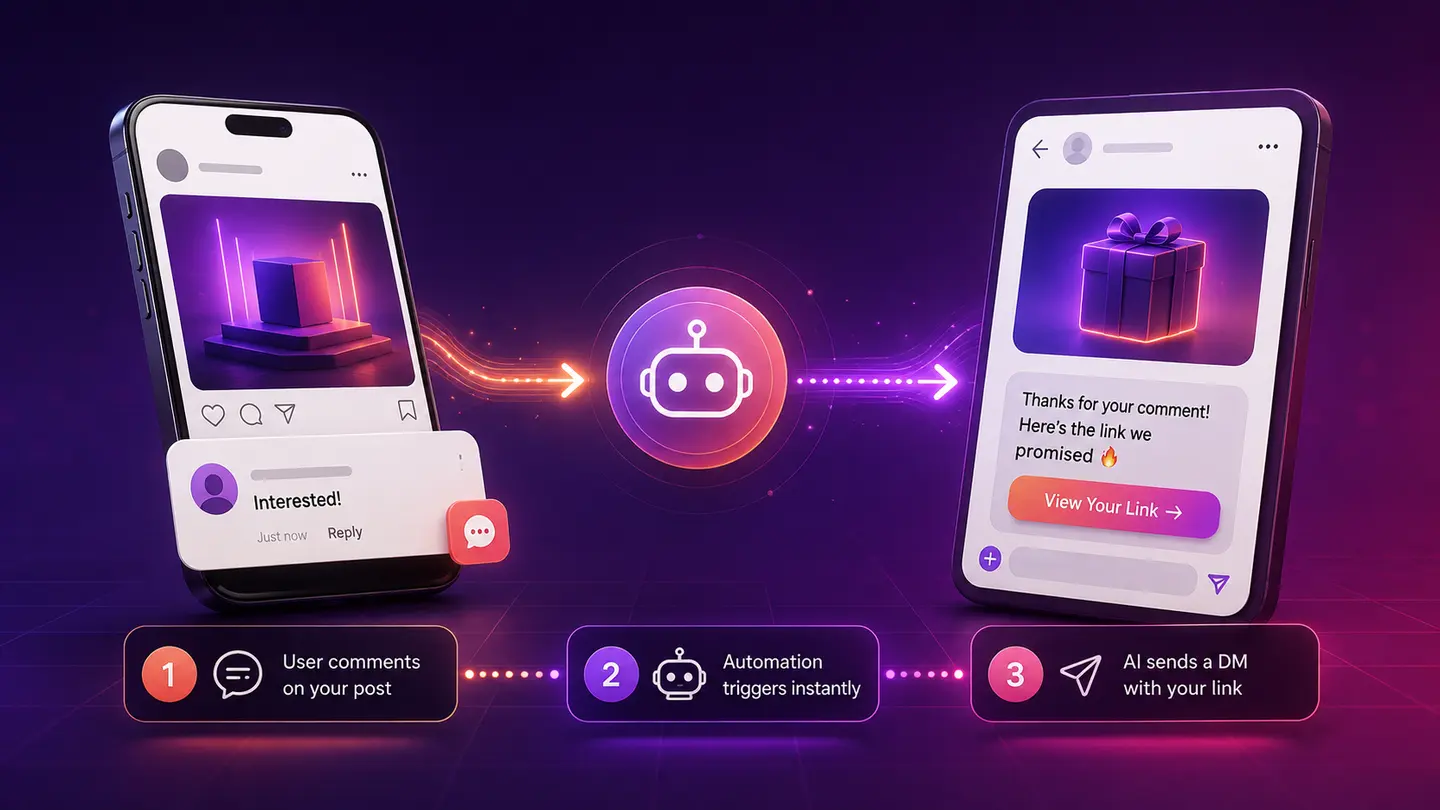
AP3K combines configured response workflows with optional AI features. Use saved copy when an exact answer is required, and maintain approved knowledge when using AI. An automated answer should remain within the product facts and business commitments you can verify. Account access, supported triggers and platform messaging restrictions still apply. Test both a normal request and a question the responder should not answer before expanding its scope.
How to judge the result
Count factual errors separately from style issues. Block broad rollout when answers misrepresent capabilities, billing or support commitments.
- Approved knowledge has no conflicting or obsolete facts.
- Unsupported questions have a useful, truthful fallback.
- A human reviewer checks accuracy separately from tone and delivery.
Continue with a related guide
Use the next guide for a related decision, or browse the topic library to choose a different workflow.
Topics