By AP3K · English guide
Choose Autoresponder Tone by Customer Intent
A playful reply can work for a requested guide and feel dismissive during a service problem. Choosing a brand tone is not enough; the response must also fit why the person is contacting the business. Start with intent before adding personality.
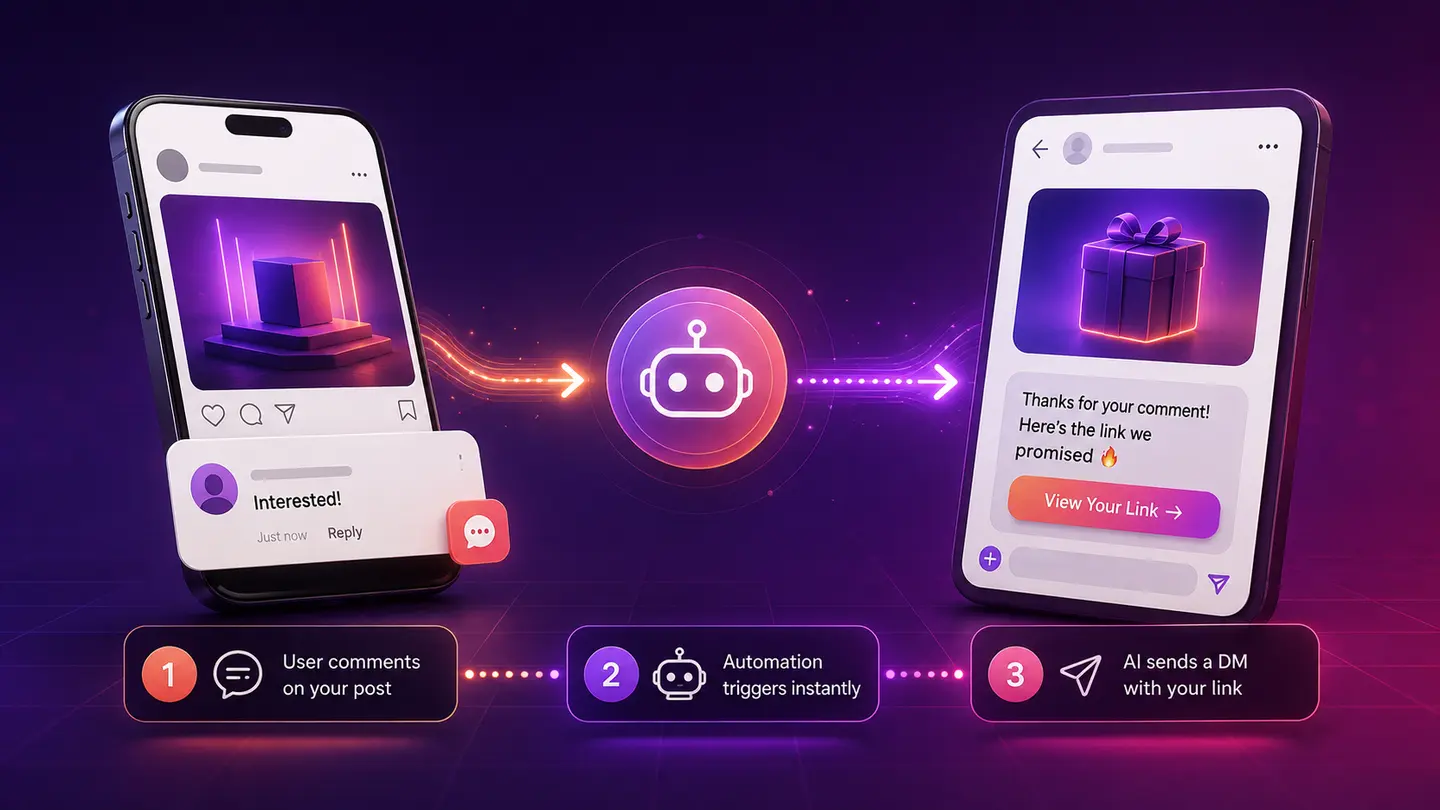
The decision to make
Define suitable wording for discovery, purchase questions and support. Keep complaint handling calm and specific. Where the tool exposes one general tone, choose a safe baseline and keep sensitive cases outside automated persuasion.
A practical workflow
- 1Step 1Identify the most common conversation intents.
- 2Step 2Write a clear baseline response for each.
- 3Step 3Remove jokes or sales pressure from support examples.
Worked example
A guide request can receive “Here’s the checklist you asked for.” A billing concern should receive an accurate support route, not “Let’s get you back to crushing it!”
What to avoid
Do not let a tone setting override factual boundaries. Friendly wording cannot make an unsupported refund promise acceptable.
Where AP3K fits
AP3K combines configured response workflows with optional AI features. Use saved copy when an exact answer is required, and maintain approved knowledge when using AI. An automated answer should remain within the product facts and business commitments you can verify. Account access, supported triggers and platform messaging restrictions still apply. Test both a normal request and a question the responder should not answer before expanding its scope.
How to judge the result
Review replies that caused confusion or irritation. Separate problems caused by wording from those caused by missing product information.
- Approved knowledge has no conflicting or obsolete facts.
- Unsupported questions have a useful, truthful fallback.
- A human reviewer checks accuracy separately from tone and delivery.
Continue with a related guide
Use the next guide for a related decision, or browse the topic library to choose a different workflow.
Topics