By AP3K · English guide
Make Saved Instagram Replies Sound Like Your Brand
A library of saved replies becomes inconsistent when each teammate writes in a different voice. One answer may be casual and another sound like a legal notice. A short voice guide helps the team remain recognizable while still adapting to the conversation.
The decision to make
Define three practical rules: preferred greeting style, normal sentence length and phrases to avoid. Separate the tone of a promotional reply from support or complaint handling. Consistency does not require copying the exact same opening into every message.
A practical workflow
- 1Step 1Collect examples of replies that customers understood.
- 2Step 2Write voice rules with one approved and one unsuitable example.
- 3Step 3Review saved replies against those rules before sharing the library.
Worked example
A friendly brand might use “Here’s the guide you asked for” rather than “Your requested informational asset has been dispatched.” A complaint still deserves a calm, specific acknowledgment.
What to avoid
Do not mistake emojis for a voice strategy. Too many decorations can obscure the next step or feel inappropriate in a serious conversation.
Where AP3K fits
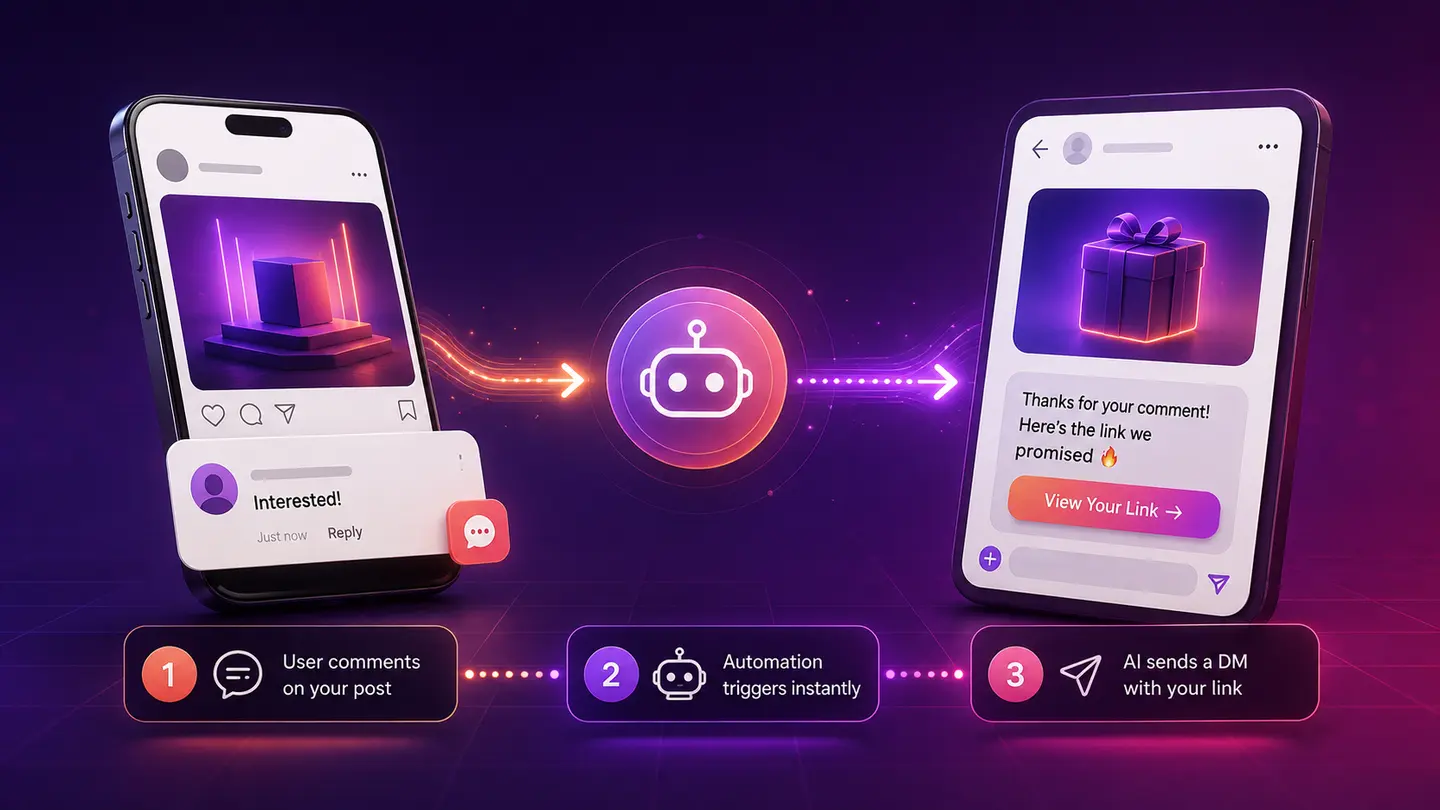
A quick reply is reusable wording; an automated reply also needs a supported trigger and configured action. Draft the wording first, replace every placeholder and verify any business-specific claim. In AP3K, public replies and DMs are separate choices. Use the channel that fits the request, and keep a human route for questions that need current account, order or availability information. The sample copy here is a starting point to adapt, not a statement about your business.
How to judge the result
Review replies for clarity and follow-up confusion. Ask whether a teammate could apply the guide without guessing what “friendly” means.
- Prices, availability and service promises have an identified source.
- Every placeholder is replaced or deliberately removed.
- The recipient can understand the next step without another explanation.
Continue with a related guide
Use the next guide for a related decision, or browse the topic library to choose a different workflow.
Topics