By AP3K · English guide
Prevent Placeholder Mistakes in Saved Instagram Replies
A message that reaches a customer with “[name]” or “[insert link]” looks unfinished and can send them nowhere. Templates need an explicit distinction between text that must be edited and values a tool actually substitutes automatically.
The decision to make
Treat bracketed text as an editing instruction unless the application documents support for that exact variable. Do not assume a token works because another platform uses it. Keep a clean final copy separate from the drafting template.
A practical workflow
- 1Step 1Search draft replies for brackets, sample URLs and example names.
- 2Step 2Replace or remove every placeholder not supported by the selected tool.
- 3Step 3Send a test and read the received message rather than just the editor preview.
Worked example
A template saying “Hi [first name], here is [resource]” should become a complete message before launch. If reliable personalization is unavailable, a natural greeting without a name is better.
What to avoid
Do not publish sample customer details as though they belong to the recipient. Avoid relying on an untested variable to carry the only destination link.
Where AP3K fits
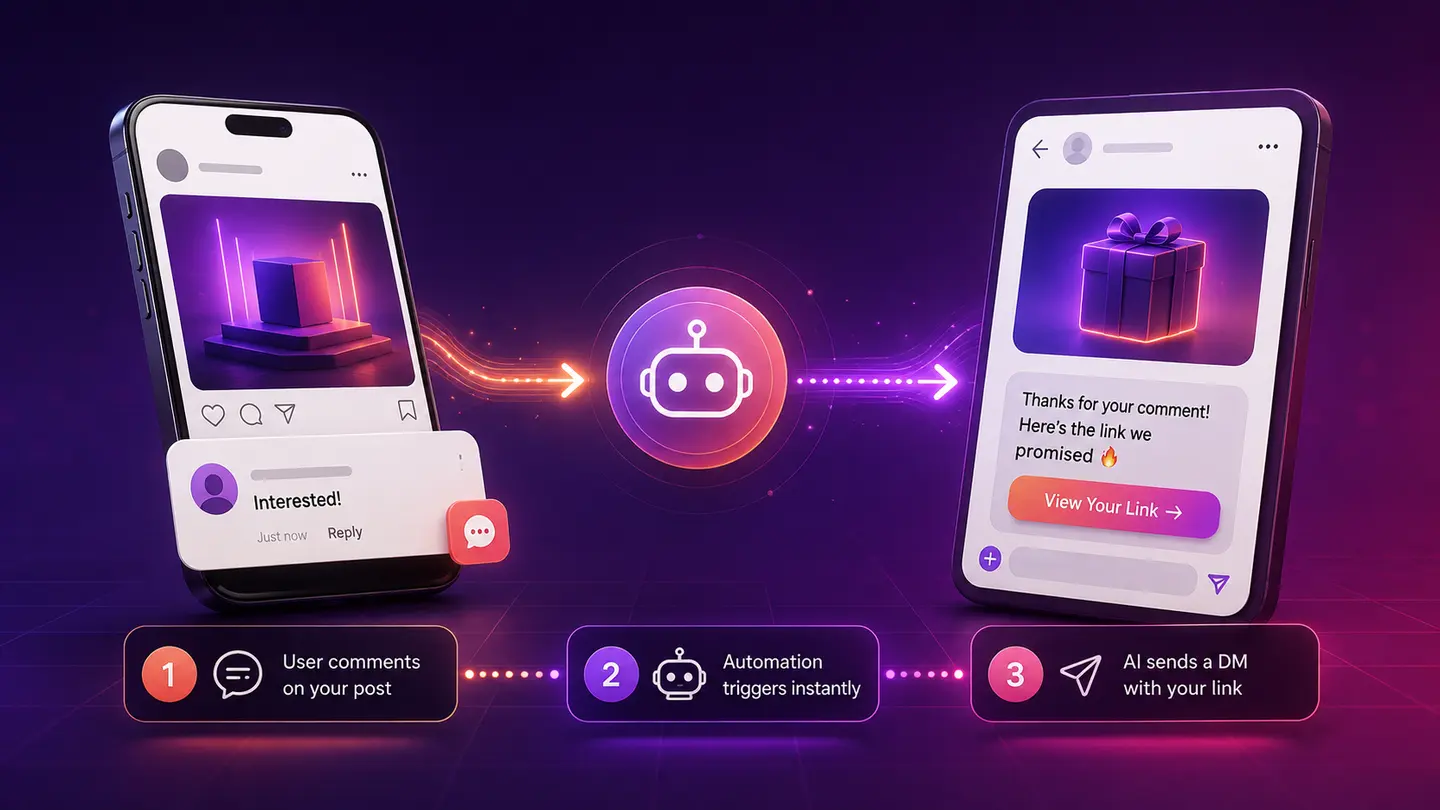
A quick reply is reusable wording; an automated reply also needs a supported trigger and configured action. Draft the wording first, replace every placeholder and verify any business-specific claim. In AP3K, public replies and DMs are separate choices. Use the channel that fits the request, and keep a human route for questions that need current account, order or availability information. The sample copy here is a starting point to adapt, not a statement about your business.
How to judge the result
Count template defects caught during review. Add common placeholder patterns to the team's pre-launch checklist.
- Prices, availability and service promises have an identified source.
- Every placeholder is replaced or deliberately removed.
- The recipient can understand the next step without another explanation.
Continue with a related guide
Use the next guide for a related decision, or browse the topic library to choose a different workflow.
Topics