By AP3K · English guide
Keep a Team's Quick Reply Library Accurate
Saved replies become risky when nobody owns them. Prices change, forms move and a teammate keeps using a copy from an old document. A lightweight library with owners and review dates reduces this drift without requiring a complex content system.
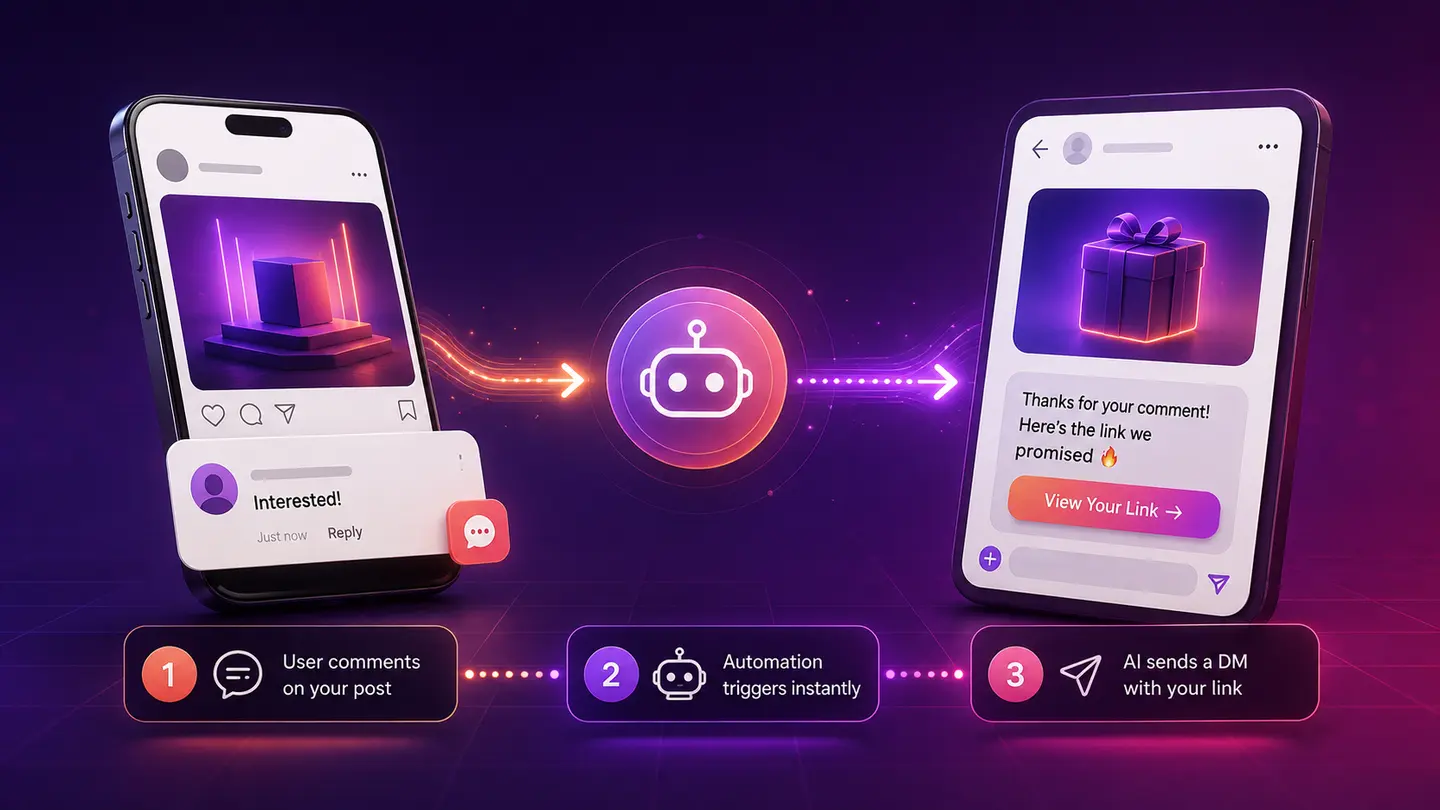
The decision to make
Organize replies by customer intent and assign one maintained version to each purpose. Keep retired copies clearly separate. Updates that change a business promise should be reviewed by the person responsible for that offer.
A practical workflow
- 1Step 1Give each reply a purpose, owner and last-reviewed date.
- 2Step 2Keep links to the current source of volatile information.
- 3Step 3Notify the team when an approved reply is replaced.
Worked example
The delivery-policy reply belongs to operations, while a partnership reply belongs to the partnership owner. A shared editor can maintain formatting without independently changing those commitments.
What to avoid
Avoid multiple unofficial copies named “final.” A reply that is easy to find but inaccurate is worse than a slightly slower human answer.
Where AP3K fits
A quick reply is reusable wording; an automated reply also needs a supported trigger and configured action. Draft the wording first, replace every placeholder and verify any business-specific claim. In AP3K, public replies and DMs are separate choices. Use the channel that fits the request, and keep a human route for questions that need current account, order or availability information. The sample copy here is a starting point to adapt, not a statement about your business.
How to judge the result
Review stale replies found in real conversations. Use that evidence to set a sensible review cadence rather than rewriting the entire library every week.
- Prices, availability and service promises have an identified source.
- Every placeholder is replaced or deliberately removed.
- The recipient can understand the next step without another explanation.
Continue with a related guide
Use the next guide for a related decision, or browse the topic library to choose a different workflow.
Topics