By AP3K · English guide
Write a Weekly Instagram Report That Leads to Decisions
A weekly report should help the team choose what to change. Screenshots of every dashboard rarely do that. Organize the report around reliable outcomes, material problems and a small number of next actions, with sources and uncertainties visible.
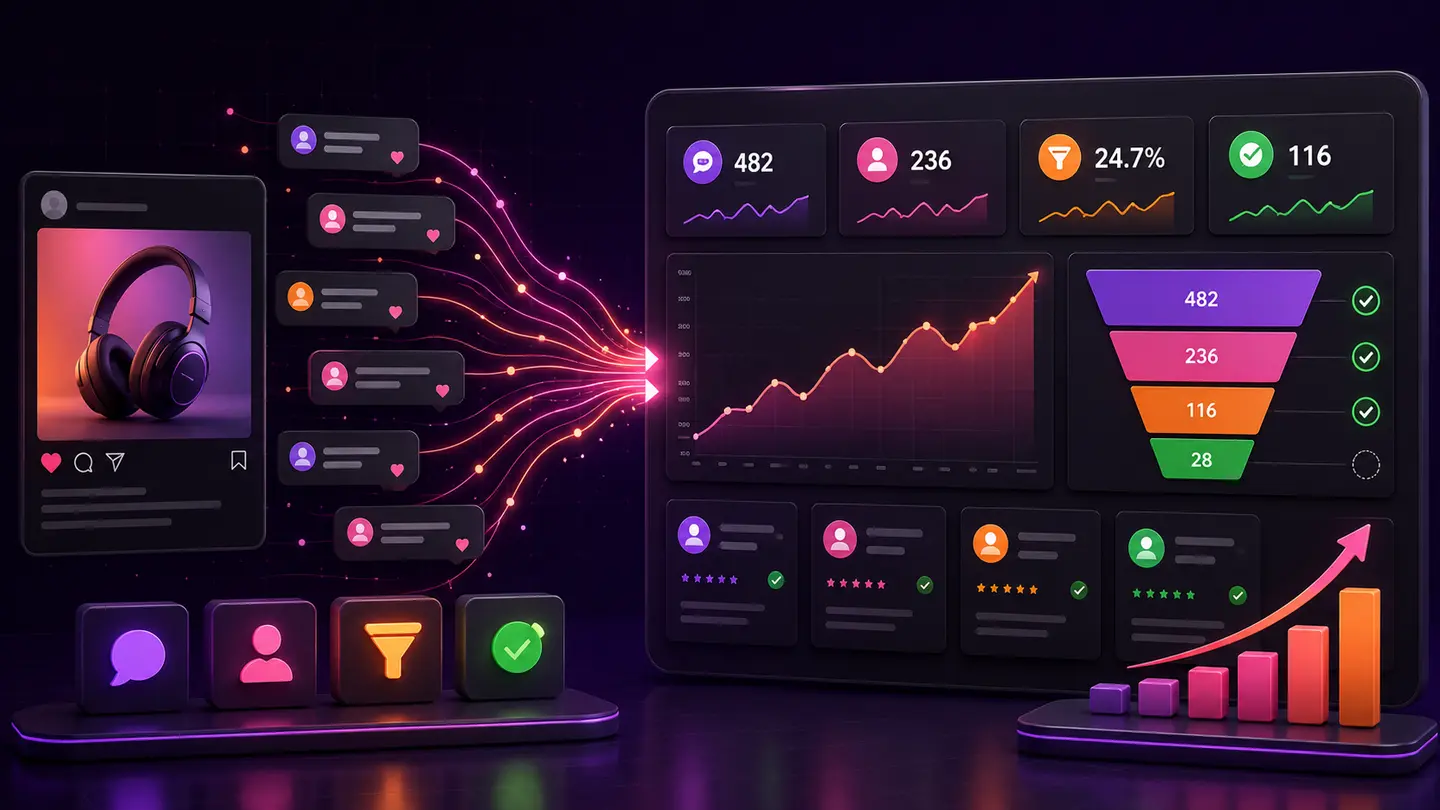
The decision to make
Separate observations from explanations. A drop in clicks is an observation; blaming the new caption is a hypothesis until alternatives are checked. Assign an owner and a way to evaluate each proposed change.
A practical workflow
- 1Step 1Summarize delivery health and business outcomes separately.
- 2Step 2Describe the most important change with its evidence.
- 3Step 3Choose a small set of actions and review them next week.
Worked example
A useful action is “Check the mobile booking page because visits remained stable while completed bookings fell.” “Improve engagement” is too vague to verify.
What to avoid
Do not hide unavailable data behind a zero. Label missing connections, incomplete periods and vendor estimates clearly.
Where AP3K fits
Use AP3K activity to inspect the supported interaction and action stages, then use the appropriate destination or sales system for off-site outcomes. Successfully sent public replies and DMs are automated actions; they do not prove that someone read a message, booked an appointment or paid. Keep dates, units and source limitations visible. Examples in this guide illustrate reporting methods and are not AP3K customer results or forecasts.
How to judge the result
Review whether last week's actions were completed and what changed. The report is useful when it improves decisions, not when it becomes longer.
- Every metric names its source, unit and reporting period.
- Tests, incomplete observations and unknown attribution are labeled.
- The next action addresses the stage supported by the evidence.
Continue with a related guide
Use the next guide for a related decision, or browse the topic library to choose a different workflow.
Topics