By AP3K · English guide
Keep a Practical Change Log for Instagram Campaigns
When a campaign's results change, the team needs to know what was edited. A short change log connects message revisions, destination updates and trigger changes with the observed period. It is more useful than relying on memory during troubleshooting.
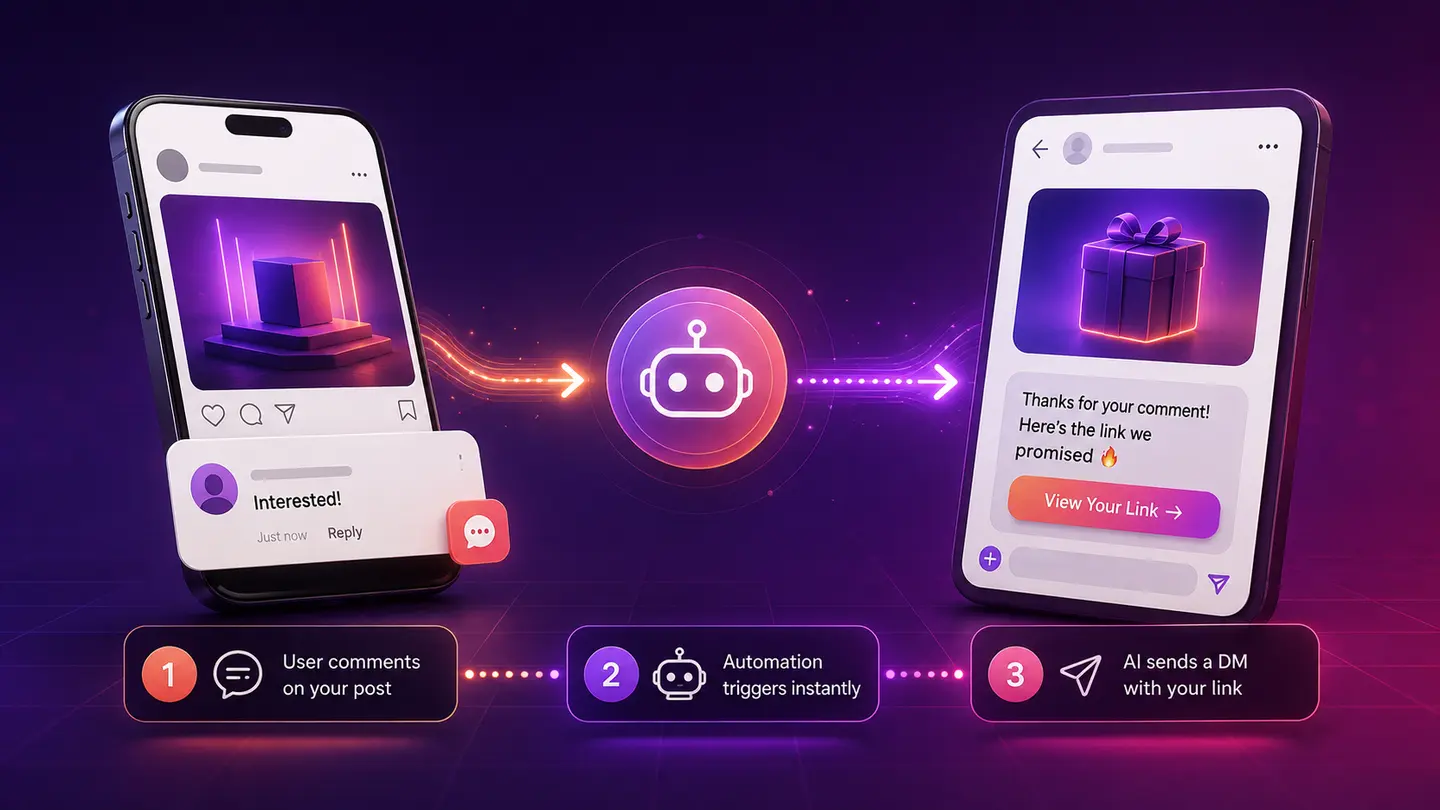
The decision to make
Record the change, reason, owner and time. Distinguish copy edits from behavior changes. Keep the previous approved configuration available when a rollback may be needed, without copying secrets or private conversations into the log.
A practical workflow
- 1Step 1Write the intended change before applying it.
- 2Step 2Record the final configuration and test outcome.
- 3Step 3Review the log when investigating later anomalies.
Worked example
If a button destination changes from a guide to a booking page, the log should explain why and whether the caption promise was updated too. Otherwise a conversion shift is hard to interpret.
What to avoid
Do not infer causation merely because a metric changed after an edit. Use the log to generate a testable explanation.
Where AP3K fits
Operational clarity makes a small automation library easier to maintain than a large collection of unexplained campaigns. Keep account ownership, campaign purpose and destination responsibility visible. In AP3K, review the selected account, trigger scope and enabled actions before activation, then inspect a real supported test. Use authorized access and preserve useful audit context when changing or retiring workflows.
How to judge the result
Track incidents where missing change context delayed diagnosis. Keep the log concise enough that the team actually maintains it.
- The campaign has a clear purpose and responsible owner.
- Changes include a test and a record of the intended behavior.
- Unresolved incidents and paused workflows have a next action.
Continue with a related guide
Use the next guide for a related decision, or browse the topic library to choose a different workflow.
Topics