By AP3K · English guide
Test Instagram Comment Keywords Before You Launch
Testing only the exact word you configured proves very little about how real people will comment. A useful keyword test includes expected matches, expected non-matches, and the post scope that gives those comments meaning.
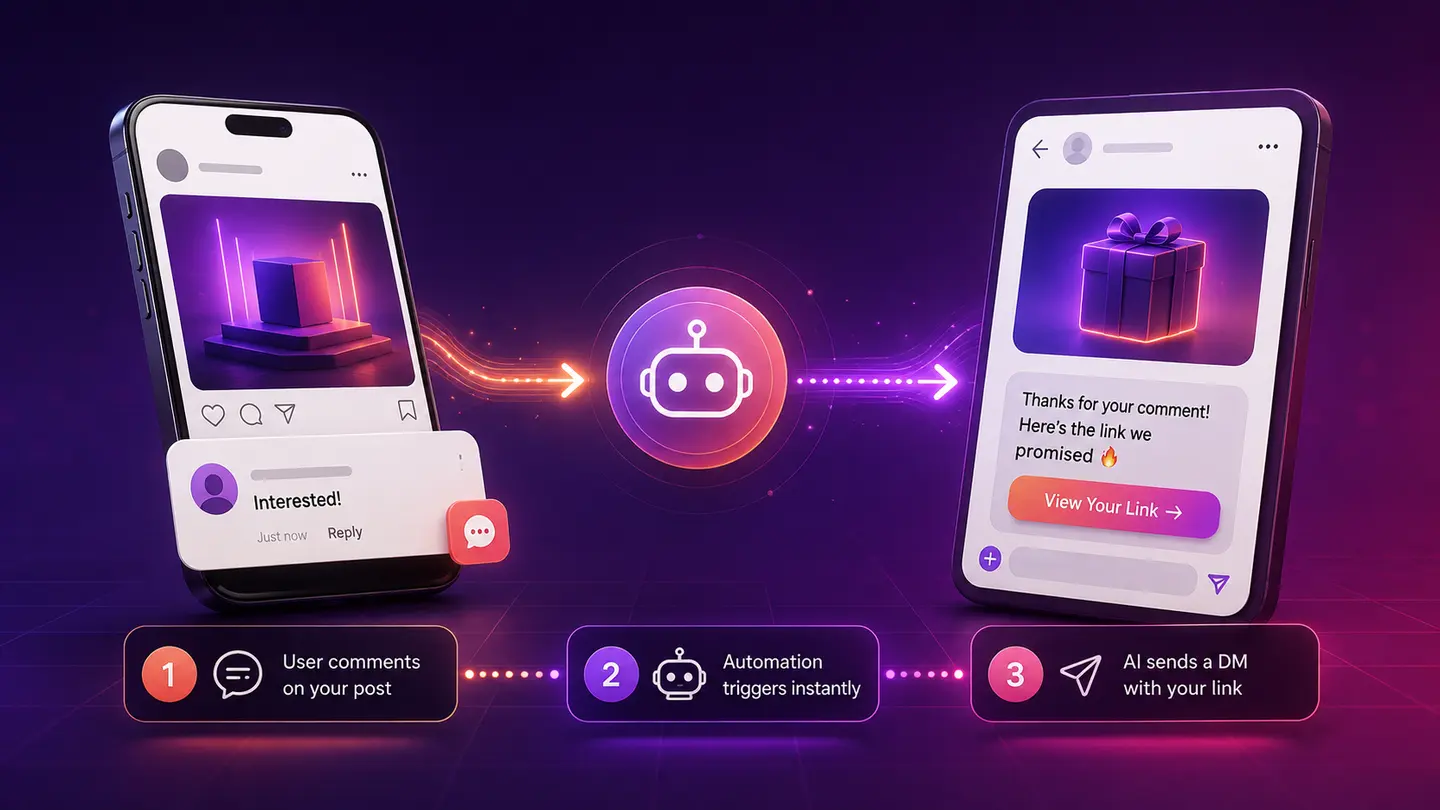
Write the expected results first
If your caption asks for GUIDE, create a short matrix before editing any configuration. Include GUIDE, Please send the GUIDE, an unrelated compliment, and a different keyword. Decide which requests belong in the campaign. This separates the audience intent you want from the matching behavior you happen to observe.
AP3K's setup describes checking whether a comment contains a configured keyword. Do not assume that semantic similarity, every typo, punctuation variant, or every language form will qualify. Verify the forms that matter for your audience with actual comments.
Use words with a clear boundary of meaning
A very short keyword can appear inside unrelated words or common expressions. A longer, recognizable term tied to the resource is easier to explain and inspect. Avoid using a normal conversational word if it is likely to occur in comments that are not requesting anything.
For example, CHECKLIST is easier to associate with a downloadable checklist than YES on a post that invites opinions. The best choice is not the shortest string; it is the clearest request that people can type reliably.
Execute tests without changing several variables
Use a second Instagram account and new comments on the selected post after activation. Keep message copy and scope unchanged while testing the keyword. Record whether each comment matched and what action followed. Remove your test comments later if appropriate for your own post, but preserve the test record.
- Exact displayed keyword.
- Keyword in a natural sentence.
- Expected capitalization and punctuation variants.
- Unrelated text that must not trigger.
- Same keyword on a post outside the intended scope.
Turn unexpected matches into a design decision
If a harmless compliment qualifies accidentally, narrow the keyword or scope rather than telling customers they commented incorrectly. If a frequent spelling variant fails, either support that variant deliberately or simplify the caption instruction. Keep the final caption easy to copy from the screen.
Retest after changes and keep a small set of cases as a release checklist. A campaign with documented expected behavior is easier to maintain than one whose creator only remembers that it worked once.
Topics