By AP3K · English guide
Read Small Instagram Campaign Results Without Overclaiming
A few successful bookings can make a new campaign look exceptional, while one quiet day can make it look broken. Small samples are volatile. Use early results to find obvious problems and generate hypotheses rather than making confident growth forecasts.
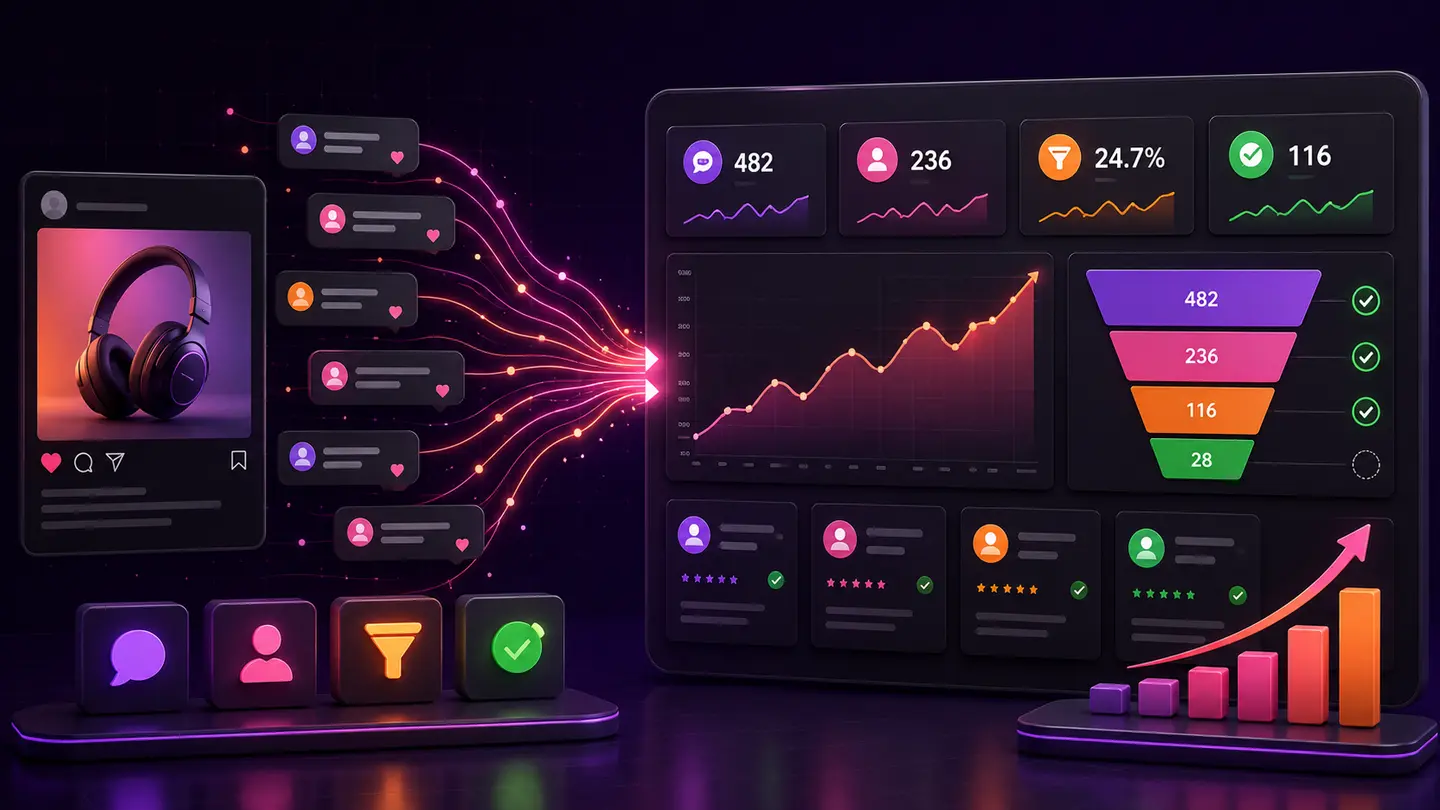
The decision to make
Show the underlying counts beside percentages. Consider whether the result could change materially with one additional outcome. Keep audience, offer and timing differences visible when comparing campaigns with limited data.
A practical workflow
- 1Step 1Record counts for each measured stage.
- 2Step 2Identify technical failures separately from weak demand.
- 3Step 3Continue observation before making a major scaling decision.
Worked example
Two bookings from ten visits is a 20% observed rate, but it is not a dependable forecast for the next thousand visits. Label the example as a small sample.
What to avoid
Do not turn an early result into a guaranteed conversion claim or testimonial. Avoid presenting a modeled projection as actual customer performance.
Where AP3K fits
Use AP3K activity to inspect the supported interaction and action stages, then use the appropriate destination or sales system for off-site outcomes. Successfully sent public replies and DMs are automated actions; they do not prove that someone read a message, booked an appointment or paid. Keep dates, units and source limitations visible. Examples in this guide illustrate reporting methods and are not AP3K customer results or forecasts.
How to judge the result
Revisit the result as more comparable data arrives. Look for a repeated pattern rather than reacting to every daily percentage change.
- Every metric names its source, unit and reporting period.
- Tests, incomplete observations and unknown attribution are labeled.
- The next action addresses the stage supported by the evidence.
Continue with a related guide
Use the next guide for a related decision, or browse the topic library to choose a different workflow.
Topics